
Jesus and His Bride
Blog written by Oceans’ Board Member Danell Czarnecki:
While in Fish Hoek last week, I had the privilege of visiting the church in Masi, it was a wonderful time of worship and testimony.
They invited me to share during their Sunday service and since it was Valentine’s weekend, I felt sharing about love, Jesus and the Bride would encourage them.
Ancient Jewish wedding traditions, and many of our current traditions, are rich with biblical history. There are three parts to a Jewish ceremony, each of which point to Jesus, and us, His bride. The Shiddukhin, the Kiddushin, and the Nissuin.
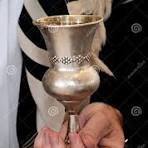
The first part of the marriage process was the Shiddukhin or Arrangement. Jewish marriages were typically arranged, primarily by the groom’s father. The arrangement involved the Mohar, or bride-price, the Ketubah, or written promises of the groom for the bride, a cup of wine, called the Cup of Betrothal (or Sanctification), and a gift for the bride, from the groom, should she say yes.
Once the Shiddukhin, or arrangement part of the marriage was complete the couple entered into the next part called the Kiddushin, which translates to sanctification. This involved the groom offering the bride a cup of wine, the Cup of Betrothal, his way of saying “I will give my life for you, will you marry me?”
The consent of the bride-to-be was an important consideration. Rebecca, for example, was asked if she agreed to go back with Abraham’s servant to marry Abraham’s son Issac. (Genesis 24:57-59). Rebecca had a choice, she could have said no; but she veiled her face and went to meet Isaac as his betrothed.
The bride could refuse the offered cup or take and drink, her way of saying, “Yes, I will be yours and you will be mine.” (Song of Sol. 6:3) If she drank from the cup offered by the groom they would be considered officially married; but would need to complete the nest steps before living together as husband and wife.
The groom would then give his new bride a gift, a promise of his return, and leave to his father’s house. During the groom’s absence, which could be as long as a year or more, both the bride and groom had work to do. The groom returned to his father’s house to prepare a place for his bride and the bride would prepare her wedding garments and learn as much as she could about her groom.
When would he be back for her? No one knew but his father. Jesus said, “But concerning that day and hour no one knows, not even the angels of heaven, nor the Son, but the Father only.” Matthew 24:36
We also have a Shiddukhin and Kiddushin; God began an arrangement when Adam and Eve sinned in the garden. He chose us; as the Father of Israel; and His Son; our bridegroom; to bring his bride (us) home to the Father’s house.
John 15:16 says, “you did not choose Me, but I chose you…” and 1 Cor. 6:19-20 reminds us that we “are not your own…but were bought at a price”.
The extravagant price, the Mohar, paid by our Heavenly Father, by sending His only Son to the cross.
We too have a “Ketubah”, the Bible, filled with the written promises of God.
Jesus offers the Cup of Betrothal through communion; we can refuse the cup or take and drink and become His. Jesus offered the cup, saying, “This cup is the new covenant in My blood, which is poured out for you.…” Luke 22:20
The gift Jesus left was the promise of the Holy Spirit, a guarantee of His return. And then He returned to His Father’s house 40 days after His resurrection to prepare a place for us.
John 4:12 “In my Father’s house there are many rooms, I go to prepare a place for you.”
When will Jesus, our bridegroom, return? No one knows but the Father. As we wait during our Kiddushin, our time of sanctification, are we preparing our wedding garments and learning as much as we can about our Bridegroom?
During this season of lent; let’s turn our eyes and attention to Jesus and ponder His sacrifice and promise to return for us.



Leave a Reply
Want to join the discussion?Feel free to contribute!